Just Love: A Strategic Font for Meaningful Communication
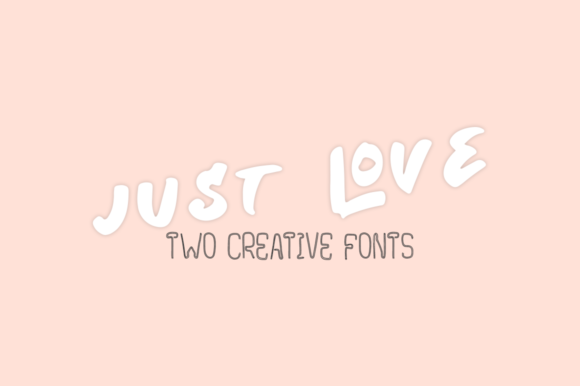
Just Love is more than just a font—it’s a visual language that can elevate the way you communicate. As a cute and thick lettered display font, Just Love brings a unique blend of charm and strength to your design projects. Whether you're crafting greeting cards, branding materials, business cards, quotes, or posters, this font has the potential to make your message stand out in a meaningful way.
The Strategic Value of Just Love
In an era where attention spans are short and digital content is abundant, Just Love offers a refreshing alternative. Its bold, rounded characters create a sense of warmth and approachability, which can be strategically valuable when aiming to connect with audiences on an emotional level. This font isn’t just about aesthetics; it's about intentional communication.
For entrepreneurs, marketers, and creators, Just Love can be a powerful tool in building brand identity. It supports a brand’s personality by reinforcing values like kindness, creativity, and authenticity. When used thoughtfully, it can help reinforce messaging that aligns with these principles, making your brand more relatable and memorable.
When to Use Just Love
The key to leveraging Just Love effectively lies in understanding when it’s most appropriate. Here are some strategic use cases:
- Greeting Cards: The friendly, rounded shapes of Just Love make it ideal for personal messages, birthdays, and weddings.
- Branding Materials: If your brand emphasizes warmth and connection, Just Love can serve as a signature font that reflects those values.
- Quotes and Posters: Its visual appeal makes it perfect for motivational content, social media posts, and creative displays.
- Business Cards: A well-designed card using Just Love can leave a lasting impression, especially for service-based businesses or creative professionals.
- Marketing Collateral: For campaigns targeting younger demographics or lifestyle brands, Just Love can add a touch of personality without being too flashy.
However, it’s important to consider context. Just Love may not be the best choice for formal documents, legal texts, or technical reports where clarity and professionalism are paramount. In such cases, a more traditional serif or sans-serif font would be more appropriate.
How to Approach Just Love Strategically
Using Just Love intentionally means aligning its characteristics with your goals. Start by defining what you want to achieve with your design:
- Clarify Your Message: Ensure that the tone and intent of your message match the personality of Just Love. Is it meant to inspire? To inform? To entertain?
- Consider Your Audience: Think about who will see your design. Does Just Love resonate with their preferences and expectations?
- Test in Context: Always preview how Just Love looks in different sizes, colors, and backgrounds. It may appear charming in print but could lose impact on a website.
- Balance with Other Fonts: Use Just Love as a highlight rather than the sole text. Pair it with complementary fonts to maintain readability and visual harmony.
- Measure Impact: After implementing Just Love in a project, assess whether it contributed to your desired outcomes—whether that’s increased engagement, brand recognition, or customer satisfaction.
By approaching Just Love with intention, you’re not just choosing a font—you’re making a strategic decision that aligns with your broader goals.
Practical Examples and Planning Tips
Let’s look at a few real-world scenarios where Just Love can be applied effectively:
Example 1: Branding for a Small Business
A boutique bakery might use Just Love in its logo and packaging to convey a warm, inviting atmosphere. This helps differentiate the brand from competitors and creates a stronger emotional connection with customers.
Example 2: Social Media Content
Content creators often use Just Love in Instagram captions, Twitter threads, or YouTube descriptions to add a personal touch. It can enhance the visual appeal of text while maintaining readability.
Example 3: Educational Materials
While Just Love may not be ideal for academic papers, it can be used creatively in educational posters, infographics, or classroom decorations to engage students and foster a positive learning environment.
When planning your use of Just Love, always ask yourself: Does this font support my message and audience? If the answer is yes, then it’s worth incorporating into your design strategy.
Risks of Using Just Love Without Clear Goals
Like any design element, Just Love can be misused. Relying on it without clear goals or context can lead to several issues:
- Lack of Focus: If you use Just Love across all your materials without considering the purpose, it can dilute your brand’s identity and confuse your audience.
- Reduced Readability: In small sizes or low contrast, Just Love can become difficult to read, especially for older audiences or those with visual impairments.
- Misaligned Messaging: Using a font that doesn’t match your brand’s tone can create inconsistency and weaken your overall communication strategy.
- Over-Reliance on Aesthetics: While Just Love is visually appealing, it shouldn’t overshadow the content itself. Always prioritize clarity and relevance over style alone.
To avoid these pitfalls, ensure that every use of Just Love serves a specific purpose and contributes to your broader objectives.
Long-Term Value and Strategic Alignment
The true power of Just Love lies in its ability to support long-term value creation. When used strategically, it can:
- Enhance Brand Recognition: Consistent use of Just Love can help your brand become more recognizable and memorable.
- Improve Customer Experience: A visually appealing and emotionally resonant design can leave a lasting impression on your audience.
- Support Creative Expression: Just Love allows designers to express creativity while maintaining professionalism and clarity.
- Drive Better Outcomes: By aligning your design choices with your goals, you increase the likelihood of achieving measurable results.
Ultimately, Just Love is a tool that requires thoughtful application. When used with purpose, it can become a valuable asset in your design toolkit, helping you communicate more effectively and achieve better results.