Agressive Font: A Versatile Choice for Creative and Practical Use
When it comes to choosing a font that can make a statement, Agressive stands out as a unique and interesting display font. With its quirky character design and bold aesthetic, this font isn’t just visually striking—it’s also incredibly adaptable. Whether you’re designing a logo, crafting social media content, or creating eye-catching signage, Agressive offers a distinctive flair that can elevate your visual projects.
What Is Agressive?
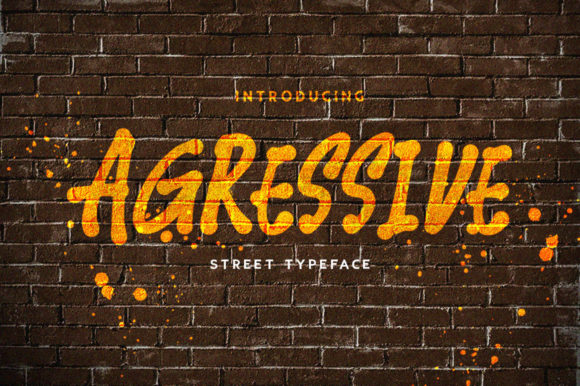
Agressive is a display font designed with a modern, edgy vibe. It features sharp angles, dynamic strokes, and an overall energetic feel that makes it stand out from more traditional sans-serif or serif fonts. While it may appear aggressive at first glance, the font is actually quite versatile in how it can be applied across different contexts. Its playful yet strong appearance allows it to work well in both digital and print environments.
Real-World Applications of Agressive
One of the most compelling aspects of Agressive is its ability to adapt to various real-world situations. Let’s explore some of the key areas where this font shines:
- Social Media Graphics: The bold and stylized look of Agressive makes it perfect for Instagram posts, Twitter headers, or Facebook banners. It adds a sense of urgency and personality to your content.
- Branding Elements: Companies looking to make a bold statement in their branding can use Agressive for logos, taglines, or promotional materials. It’s especially effective for brands in the tech, gaming, or lifestyle industries.
- Signage and Wayfinding: In public spaces, Agressive can help draw attention to important information. It’s ideal for signs, directional markers, or event announcements due to its high readability at a distance.
- Web Design: When used sparingly on websites, Agressive can add a unique touch without overwhelming the user. It works particularly well for headlines, buttons, or call-to-action sections.
Who Benefits From Using Agressive?
The appeal of Agressive lies in its versatility, which means it can benefit a wide range of users:
- Designers: Looking for a font that adds character and energy to their work? Agressive is a great addition to any designer’s toolkit.
- Marketers: Brands aiming to create a memorable visual identity can leverage Agressive to differentiate themselves in a crowded market.
- Content Creators: Whether you're making videos, podcasts, or blogs, Agressive can help your visuals pop and capture attention.
- Students and Educators: For educational materials, Agressive can be used creatively in presentations or infographics to engage younger audiences.
Considerations Before Using Agressive
While Agressive has many strengths, it’s important to consider a few factors before using it in your projects:
Readability: Although Agressive is highly stylized, it may not be the best choice for long-form text. Its bold and angular design can sometimes reduce legibility when used in body copy. Always test it in context to ensure clarity.
Font Pairing: To maintain balance, pair Agressive with a more neutral or complementary font for supporting text. This helps prevent visual clutter and ensures your message remains clear.
Platform Compatibility: Make sure the font you choose is compatible with the platforms you plan to use it on. Some fonts may not render correctly on all devices or browsers, so always check for consistency.
License Restrictions: Be aware of any licensing terms associated with Agressive. Some fonts are free to use, while others require purchase or attribution. Always review the font’s license agreement before using it commercially.
Strengths and Limitations of Agressive
Agressive has several strengths that make it a standout choice in the world of typography:
- Eye-Catching Design: Its bold and quirky style immediately draws attention, making it ideal for headlines and promotional content.
- High Contrast: The contrast between thick and thin strokes enhances visual impact, especially in low-resolution or small-scale applications.
- Adaptable: Whether used digitally or in print, Agressive maintains its integrity and effectiveness across multiple mediums.
However, there are also limitations to keep in mind:
- Not Suitable for All Contexts: Due to its strong visual presence, Agressive may not be appropriate for formal or professional settings where a more subdued font is preferred.
- Limited Use Cases: While it excels in specific scenarios like branding or social media, it’s less ideal for extended text or technical documentation.
Practical Examples of Agressive in Action
To better understand how Agressive can be applied, let’s look at a few practical examples:
Example 1: Event Poster
A local music festival uses Agressive for the main title on their poster. The font’s bold and dynamic nature captures the energy of the event and grabs passersby’s attention instantly.
Example 2: Logo Design
A startup focused on tech innovation creates a logo using Agressive as the primary font. The font’s modern and edgy look aligns with the company’s brand identity and helps them stand out in a competitive market.
Example 3: Social Media Content
A lifestyle influencer uses Agressive for their Instagram captions and post titles. The font adds a personal and creative touch that resonates with their audience and enhances engagement.
Conclusion
Agressive is more than just a font—it’s a tool for expression and impact. Its unique design and adaptability make it a valuable asset for designers, marketers, and content creators alike. By understanding its strengths and limitations, you can harness its power to enhance your visual projects and make a lasting impression.